281/2
Iru Locust Beans: West Africa’s Fermented Secret Finds a Wider Table
Some ingredients announce themselves the moment the jar opens, and iru is one of them. The fermented seeds of the African locust tree carry a deep, funky aroma that surprises newcomers and…
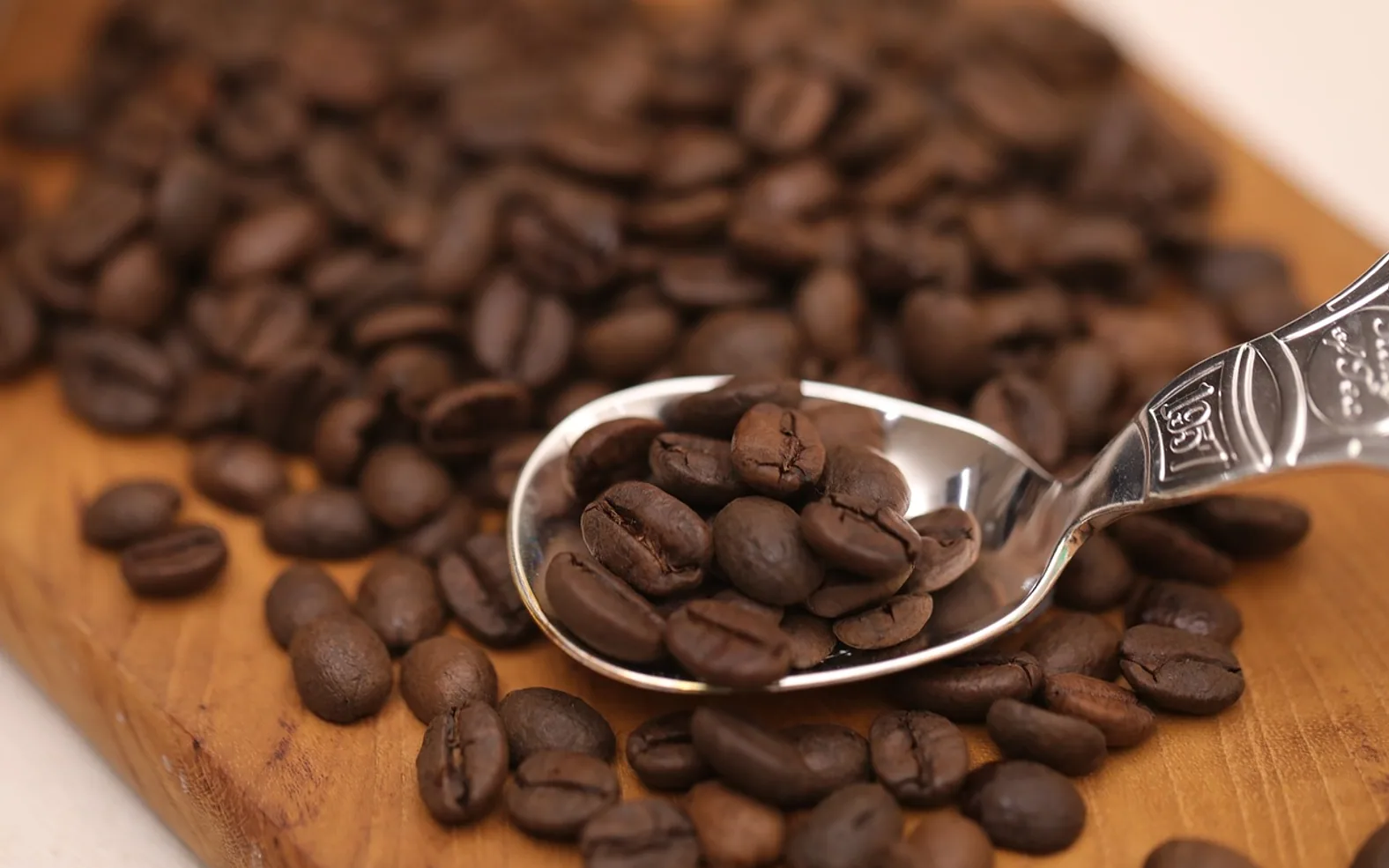
Some ingredients announce themselves the moment the jar opens, and iru is one of them. The fermented seeds of the African locust tree carry a deep, funky aroma that surprises newcomers and delights anyone who grew up with it. In Yoruba kitchens, and under different names across much of West Africa, it is the quiet foundation of soups and stews. Today it is turning up in pantries far from its origins, carried by curious cooks and the diaspora alike.
From tree to seasoning
The process starts with the long pods of the locust bean tree. The seeds are separated from their yellow pulp, boiled until the tough skins loosen, and then hulled by hand. What follows is the crucial step: the cleaned seeds are wrapped, often in leaves, and left somewhere warm to ferment for several days. Natural microbes break the beans down, softening them and building that unmistakable savoury depth. Producers then salt the beans, and some dry or lightly smoke them to help them keep.
Two main styles reach the market. One is soft and sticky with whole beans visible, prized for stews. The other is pressed into a drier, firmer form that crumbles easily and lasts longer on the shelf.
What it brings to a dish
Cooks often compare iru to other fermented seasonings such as miso, fish sauce or aged cheese, because it adds savouriness rather than an obvious flavour of its own. A spoonful melts into palm-oil stews, leafy soups and pepper sauces, rounding out the heat and making vegetables taste fuller. It is a traditional plant-based ingredient, and like many fermented foods it is valued in its home cuisine as part of a varied diet. Anyone with specific dietary needs or health questions should check with a doctor or dietitian rather than relying on general claims.
Taming the aroma
The smell is strongest straight from the packet and softens dramatically with heat. A few kitchen habits make it easier to live with:
- Rinse soft iru briefly in warm water before use if you want a milder result.
- Fry it gently in oil with onions and peppers at the start of cooking, so the sharp notes mellow.
- Store it in a tightly sealed glass jar, and keep opened soft iru in the fridge or freezer.
- Start with small amounts and build up as your taste adjusts.
Finding it beyond West Africa
Not long ago, cooks outside the region relied on relatives bringing a parcel home after a visit. Specialist grocers and online shops have changed that, and buying iru locust beans from a dedicated African spice supplier makes it far easier to cook family recipes or experiment with new ones. When choosing, look for clear labelling, sealed packaging and a note on whether the beans are soft or dried.
Once it is in the cupboard, iru rewards experimentation. Try a little in a bean stew, stir it into sautéed greens or blend it into a pepper sauce for grilled vegetables. Used with a light hand, this old fermented seasoning earns a permanent place on a much wider table.
Across the sections
Spotted a mistake?
A short note is enough.