598/8
Antique and Vintage Shopping in Seoul: Markets, Craft Streets and Practical Checks
Seoul rewards patient collectors: dealer arcades in the east, craft lanes in the centre and weekend flea markets, plus the checks to make before anything travels home.
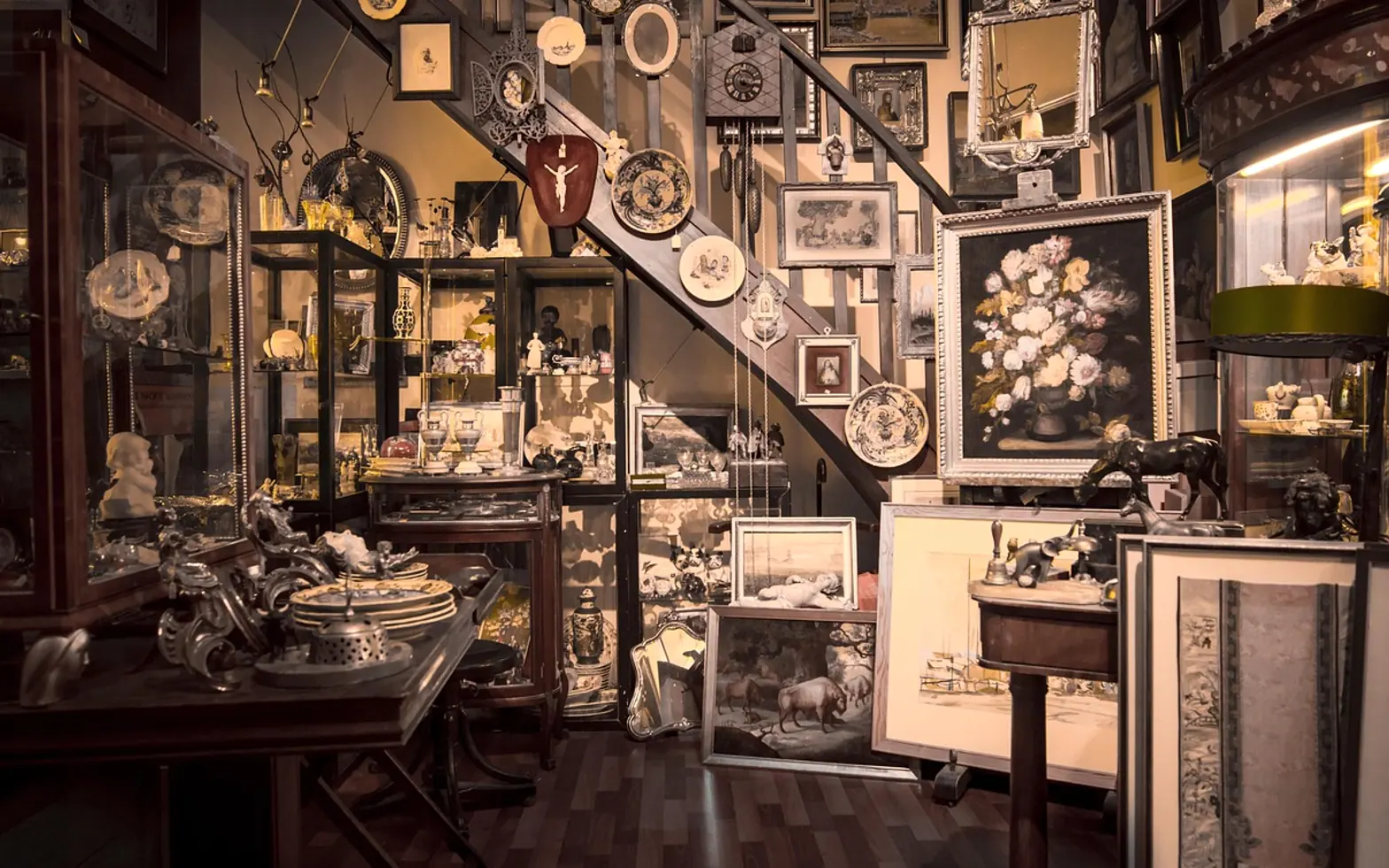
Antique and vintage shopping in Seoul works best when you split it into two kinds of days: one in the eastern dealer district around Dapsimni and Janganpyeong, where furniture, ceramics and older household objects fill multi-storey arcades, and one in the central lanes of Insadong, where smaller craft and antique shops sit alongside galleries and tea houses. Add a flea market if your dates allow, leave time for paperwork on anything old, and you will come home with pieces you understand rather than impulse buys.
Where to look
Dapsimni and Janganpyeong
The antique quarter on the eastern side of the city is the place for serious browsing. Dealers cluster in arcade buildings and along the streets around them, many specialising in one area: wooden chests and cabinets, kitchen and farm tools, porcelain, or architectural salvage from older houses. Expect stock to be stacked rather than displayed. Many dealers deal with the trade as much as with walk-in visitors, so a polite greeting and clear questions go a long way.
Insadong
Insadong is gentler for a first visit. The main street and its side alleys mix antique shops with makers of paper, brushes, ceramics and lacquer goods, so it is easy to compare old pieces with contemporary work made in traditional techniques. That comparison is useful training for the eye: once you have handled new celadon or new mother-of-pearl inlay, the wear and colour shifts of an older piece become easier to read.
Flea markets and vintage pop-ups
Weekend and occasional flea markets turn up everything from old coins and stamps to film cameras, records and mid-century household goods. Quality varies widely, which is part of the fun. Bring small cash, arrive early for the better selection and check any market's schedule shortly before you go, since dates and locations change.
What collectors tend to look for
- Ceramics: celadon, white porcelain and buncheong-style wares, plus humble everyday jars and bowls that many collectors value for their shapes.
- Lacquerware: boxes, trays and small cabinets, often with mother-of-pearl inlay; look for honest wear on edges and lids.
- Wooden furniture: clothing chests, document boxes, bookcases and low tables, with brass or iron fittings that tell you a lot about age and region.
- Old prints and paper: woodblock prints, maps, books and ephemera, which pack flat and travel well.
- Small metalwork: locks, hinges, utensils and tobacco boxes, a good entry point for a modest budget.
Checking authenticity without an expert at your side
Reproductions are common in every antique market in the world, and Seoul is no exception. Many are sold honestly as decorative pieces; the problem only arises when the label and the object do not match. A few habits help:
- Ask directly whether a piece is old or a later copy, and how the dealer knows. A confident, specific answer is a better sign than a vague one.
- Look at wear patterns. Genuine use leaves softening where hands, feet and lids meet the object, not uniform scuffing across every surface.
- Check construction. On furniture, look at joinery, the back panels and the inside of drawers. Replaced fittings are not a flaw in themselves, but they should be disclosed.
- Request paperwork. A written receipt describing the item, its claimed age and the price paid is useful later, both for customs and for your own records.
- Buy what you like. If the object would still please you as a well-made reproduction, any disappointment about its age will be smaller.
Keeping a notebook of what you saw, handled and paid is also a fine habit in its own right; it works much like the research log described in our guide on how to make a family tree, where every claim gets a source.
Export rules and shipping
South Korea protects older cultural objects, and certain items cannot leave the country without official clearance, while some cannot be exported at all. The rules and the age thresholds involved can change, so check the current requirements before you buy anything that is described as genuinely old. Reputable dealers are usually familiar with the process and can tell you whether an item needs an assessment, and the national heritage authorities publish guidance for travellers. Keep receipts and any certificate together with the object.
For shipping, small pieces can go in carry-on luggage if wrapped well. Larger furniture usually needs a freight or packing service; many dealers in the eastern district can point you to firms that handle export crating. Ask for an itemised quote, confirm insurance and make sure the paperwork travels with the shipment. Remember that your home country may also charge import duty or have its own rules on wood, plant material or certain metals.
Is it worth buying large furniture as a visitor?
It can be, if the piece genuinely matters to you and you have measured the space at home. Otherwise, smaller objects such as boxes, prints and ceramics give a similar sense of discovery with far fewer logistics.
How much time should I allow?
A full day for the eastern dealer district and half a day for Insadong is a comfortable pace.
Ending the day in Gangnam
After hours of dust and wooden drawers, crossing the river to Gangnam feels like changing centuries. The district's wide streets and late-opening restaurants make it an easy place to unwind and compare finds over dinner. Groups who want to round off the evening with a song often book a private room at a noraebang, and visitors who prefer to read up in advance can consult guides such as Karaoke of Gangnam to understand how room bookings and group sizes usually work. If drinks are part of the evening, pace yourself and leave the car at the hotel; the subway and taxis cover the return trip.
Collectors who enjoy pairing a market hunt with sightseeing will find the same rhythm works elsewhere, as in our look at Taormina's history, culture and scenic charm, where old streets and small shops reward slow walking.
A simple checklist before you head out
- Small cash plus a card, and a tape measure.
- Photos of the spaces at home where a piece might go.
- Bubble wrap or soft cloth for small items.
- A notebook for dealer details, descriptions and receipts.
- Time set aside to check export requirements for anything old.
Seoul's antique trade rewards patience more than speed. Handle many pieces, ask plenty of questions and buy fewer, better-understood things; the stories you collect along the way are part of what you bring home.
Across the sections
Spotted a mistake?
A short note is enough.