535/7
How to Start a Jigsaw Puzzle
Tipping out a new box is the fun part; knowing where to begin is the hard one. These habits make the first hour satisfying and the table clear sooner.
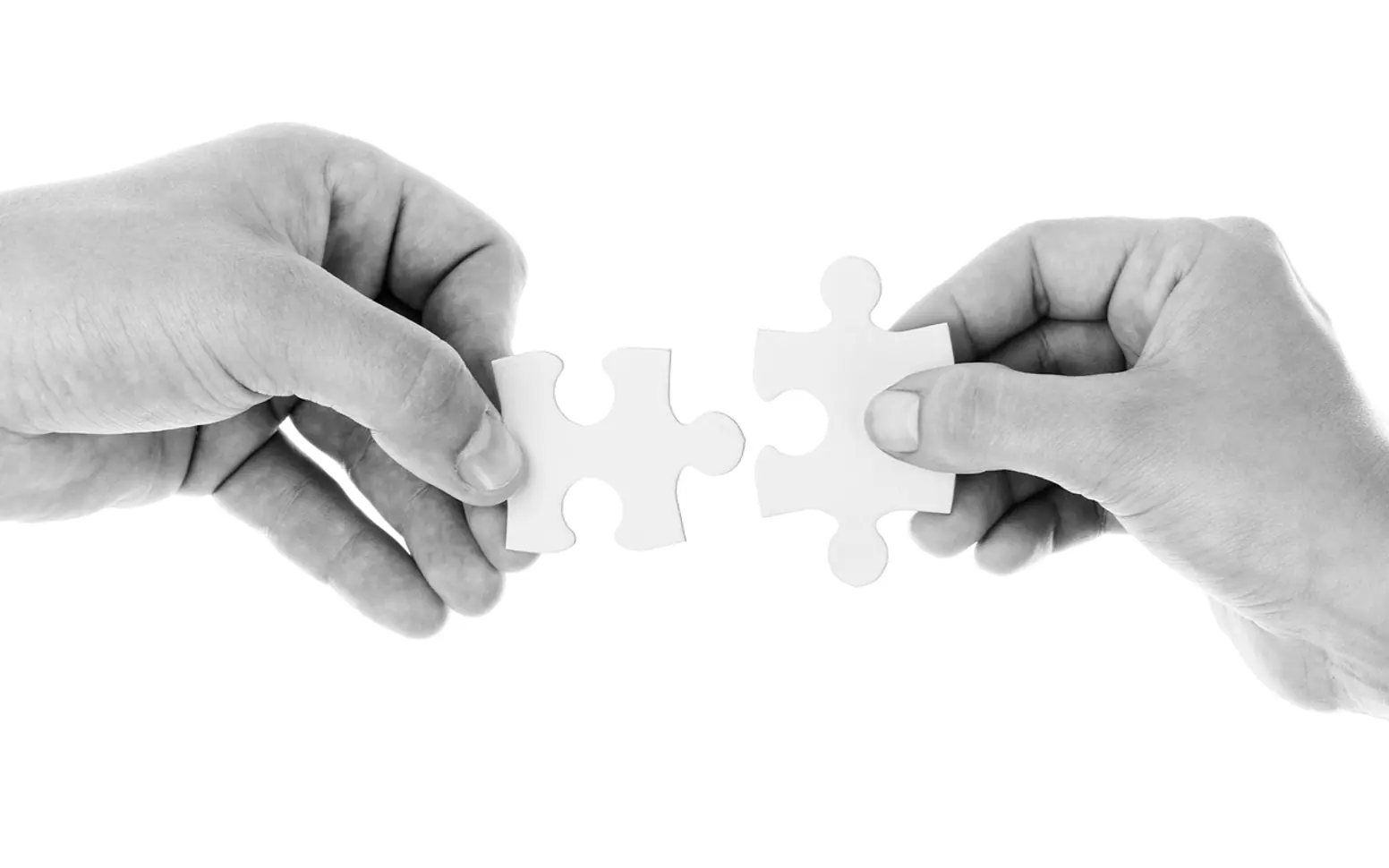
Opening a new jigsaw and tipping the pieces onto the table is a small thrill, quickly followed by the question of where to begin. There is no single correct method, but a few habits shared by seasoned puzzlers make the first hour far more satisfying and stop a half-finished picture from occupying the dining table for weeks.
Pick the right puzzle
If you are new to jigsaws or coming back after many years, choose one that suits the time and patience you have. A few hundred pieces with a bold, varied image is a kinder starting point than a thousand pieces of pale sky. Pictures with distinct areas of color, such as a market stall, a crowded bookshelf or a flower border, hand you natural sections to work on. Large-piece puzzles are easier to grip and a good choice for younger or older hands.
Set up your space
A comfortable workspace makes a surprising difference.
- A flat surface larger than the finished puzzle, with room around it for sorting. The box usually states the final size.
- Good light. Even, bright lighting helps you tell similar shades apart and spares your eyes; adjustable spotlights do the job well, as our article on track lighting at home explains.
- Sorting trays, or a few shallow bowls, box lids or plates.
- A puzzle mat or board if the table has to be cleared between sessions.
- A chair at the right height, so you are not hunched over for hours.
Turn every piece face up
Before trying to fit anything together, spread the pieces out and turn them all picture side up. It feels slow, but everything else rests on it. As you go, set aside any piece with a straight edge.
Build the border first
Most puzzlers start with the frame. Find the four corners, then join the edge pieces along each side. The finished border shows the exact size of the picture and gives you fixed points to build inward from. If one side comes up short, an edge piece is probably still hiding in the pile; they are easy to overlook.
Sort the rest by color and pattern
Group the remaining pieces into trays by obvious features: color, texture, lettering, distinctive patterns like brickwork or leaves. Use the box lid as a map. Tackle the most recognizable sections first, such as a red door or a line of text, and assemble each one on its own before placing it inside the border.
Use the shapes when color runs out
Stretches of sky, water or shadow are where puzzles turn tricky. When color stops helping, sort by shape instead. Most pieces combine tabs (the knobs that stick out) and blanks (the hollows). Grouping pieces by their arrangement of tabs and blanks narrows the options for every gap.
- Lay out the remaining pieces in rows by shape type.
- Look at an open gap and note which tabs and blanks it needs.
- Test only the pieces in the matching row.
- Rotate each candidate through all four positions before ruling it out.
When you get stuck
Every puzzler hits a wall at some point. A few reliable ways through it:
- Switch to a different section for a while.
- Walk round the table and look from another side.
- Take a break; rested eyes catch matches that tired ones miss.
- Check the floor, the box and under the trays for strays.
Never force a piece. If it needs pressure, it almost certainly belongs elsewhere and may bend.
Make it social, or keep it solo
Jigsaws make a lovely shared activity. One person can take the border while another sorts colors, and conversation flows easily when hands are busy. Plenty of people enjoy them just as much alone, as a calm, screen-free way to unwind after work. Some reading groups even trade puzzles alongside books; see our guide on how to start a book club if that sounds like your kind of evening.
When you finish
Enjoy the moment first. Afterwards you can break it up and store it for another day, pass it to a friend or a charity shop, or glue and frame it. If framing appeals, use a glue made for puzzles and follow its instructions. Then choose the next box, perhaps a little larger than the last.
Across the sections
Spotted a mistake?
A short note is enough.