 58
58 57
57 56
56 55
55 53
53 50
50 45
45 48
48 35
35 32
32 19
19 41
41 34
34 29
29 26
26 16
16 8
8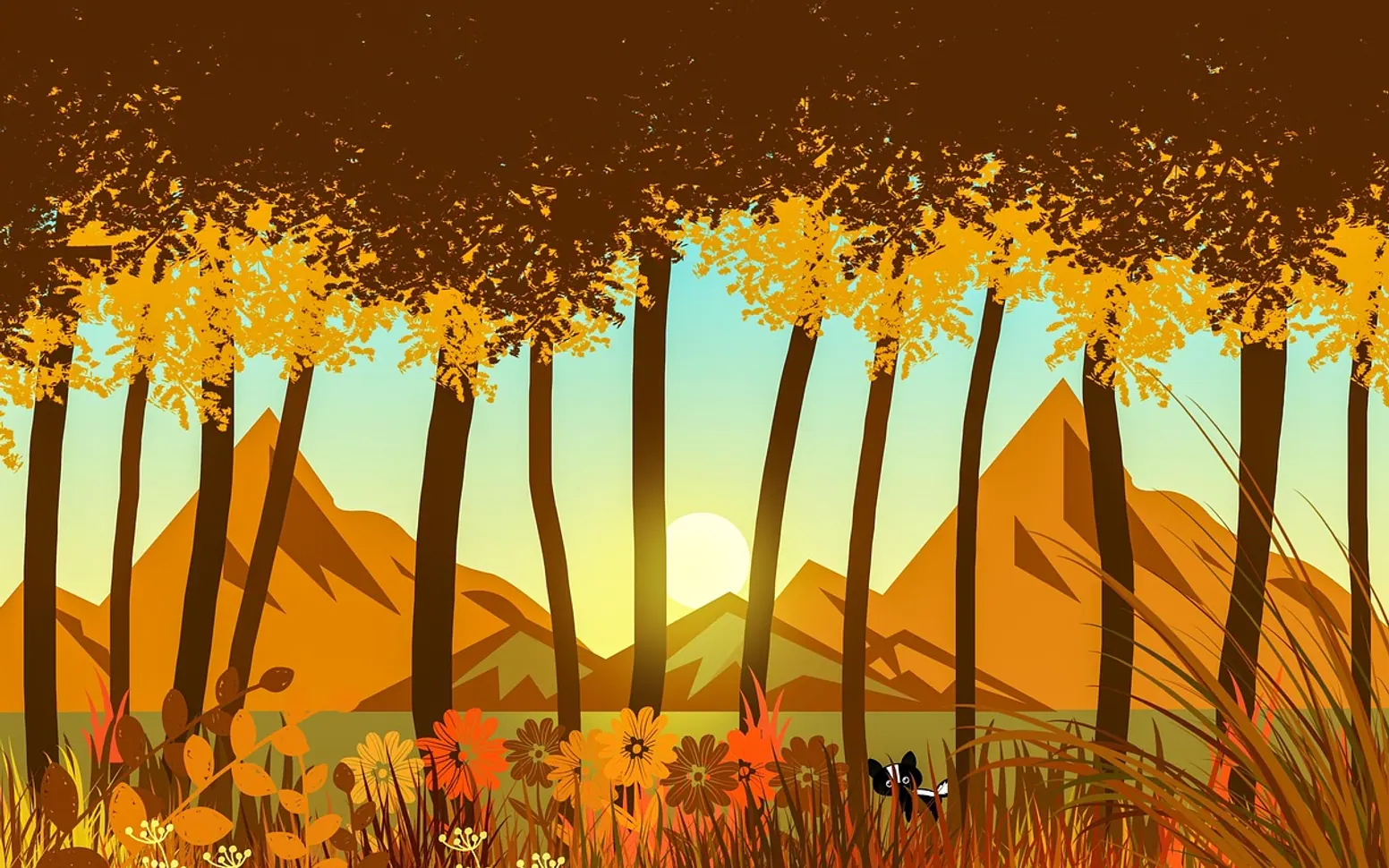
- Filed on
- R04 · Tech
- Exposure no.
- 43 · 4/4
- Printed
- Reading time
- 3 min
Pick 01 / 05
A Smarter Way to Convert Images Into SVG Files Online
Somewhere on most hard drives sits a logo saved as a fuzzy PNG, a hand-drawn sketch photographed on a kitchen table, or an icon that looks fine on a phone and blurry on a big monitor. All of them share the same weakness: they are made of pixels, and pixels only stretch so far. Turning that kind of file into an SVG used to mean an afternoon of tracing by hand. Browser-based converters have made the job far lighter, and for hobby projects, side hustles and small brands that difference matters.
What changes when an image becomes a vector
A raster file records colour dot by dot. A vector file records instructions instead: draw a curve from here to there, fill this shape with that colour. Because the shapes are described rather than stored as dots, the same SVG can sit in a tiny browser tab icon or be blown up for a market-stall banner and still keep its clean edges.
There are practical side effects too. Simple vector artwork is often lighter than a large PNG, it can be recoloured without redrawing, and web developers can style parts of it with code. For logos, badges, stickers, cutting-machine projects and diagrams, those qualities save a lot of re-exporting later.
Images that convert well, and images that fight back
Automatic tracing reads edges and colour areas, so it rewards artwork with clear outlines. A rough guide:
- Usually smooth: flat logos, line icons, silhouettes, lettering, bold cartoons and ink sketches on white paper.
- Workable with tweaks: artwork with a handful of colours, gentle shadows or a slightly noisy scan.
- Hard going: detailed photographs, soft gradients, fur, smoke and anything where shapes blur into each other.
A photo of a sunset will technically convert, but the result is often thousands of tiny shapes and a bigger file than the original. That is a sign the image belongs in a raster format.
A tidy routine for online conversion
- Start with the best source you have. Crop away empty space, raise the contrast a little and remove stray marks before uploading.
- Reduce the colours. Fewer colours give cleaner shapes, so flatten subtle tints where the design allows it.
- Run the conversion. For quick jobs, a browser tool built for pics to svg work handles the tracing step in moments and lets you compare the result with the original straight away.
- Zoom in hard. Check corners, thin strokes and small text at high magnification, where wobbly edges show up first.
- Test it in place. Drop the file into the website, slide or print layout where it will live, at both small and large sizes.
Small checks that keep files clean
| Check | Why it helps |
|---|---|
| Count the paths | A simple icon with hundreds of paths usually means the source was noisy. |
| Look at file size | If the SVG is far heavier than the PNG, the image may suit raster better. |
| Name the file clearly | Versions such as "logo-dark" and "logo-mono" are easier to find later. |
| Keep the original | A future redesign may need the raster source again. |
Online conversion does not replace a designer for complex illustration, but it removes a slow, fiddly step for everyday graphics. For anyone who builds their own website, prints their own merch or simply wants a sharper logo, it is one of the more satisfying small upgrades available.