155/14
Skydiving Suits Explained: Finding the Right Fit for Speed and Stability
To a spectator, every skydiver's jumpsuit looks much the same: bright fabric, a few panels, maybe a logo. In the air, the differences become obvious. A suit changes how much drag a…
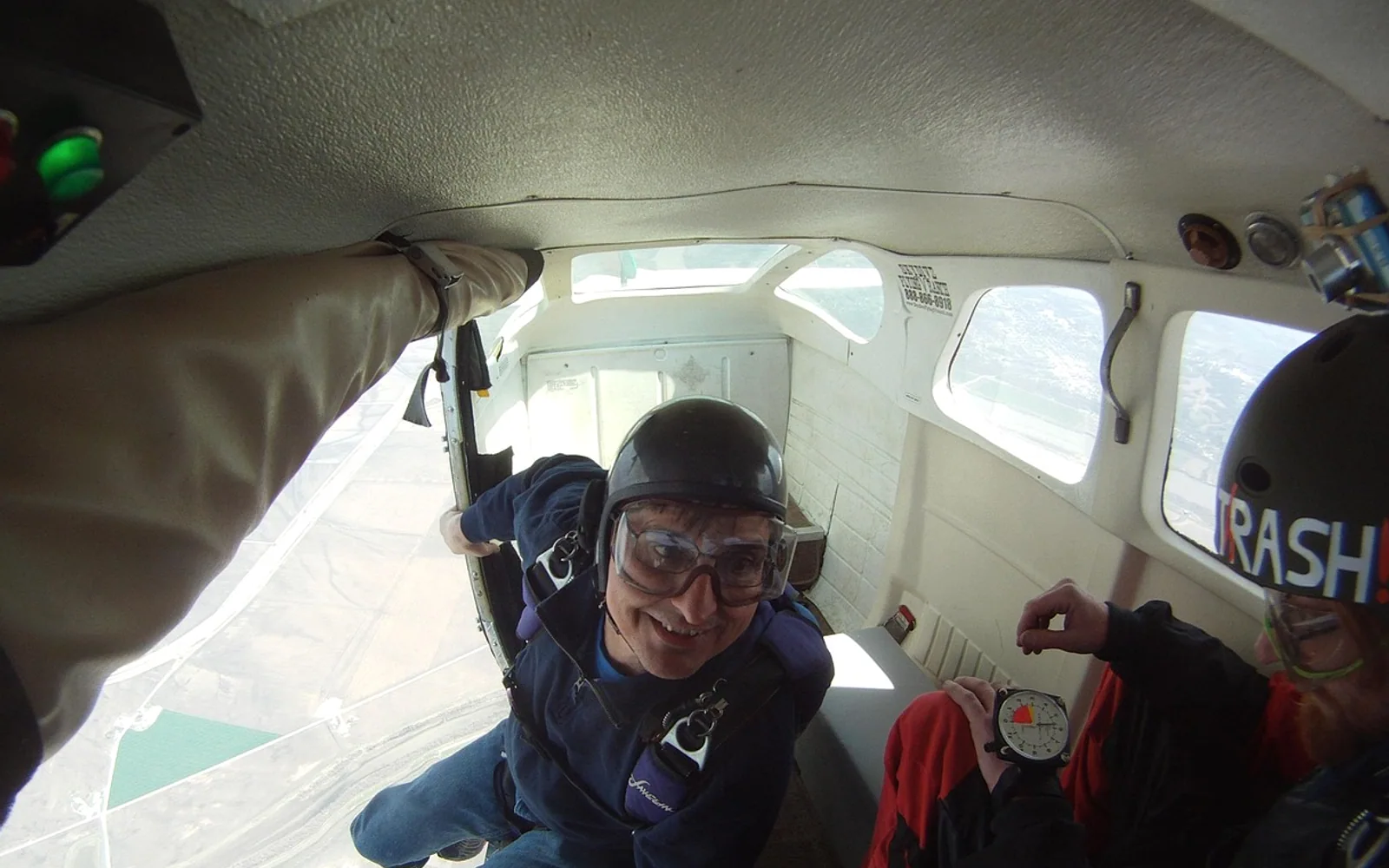
To a spectator, every skydiver's jumpsuit looks much the same: bright fabric, a few panels, maybe a logo. In the air, the differences become obvious. A suit changes how much drag a body creates, how quickly it falls and how easily it moves. Matching the suit to the type of flying you do, and to your own body, is one of the more rewarding equipment decisions a jumper makes.
Why the suit changes the dive
A skydiver in freefall is constantly interacting with a powerful stream of air. Loose fabric catches more of it, slowing the fall and adding stability; tight fabric reduces drag and lets a jumper fall faster and move more precisely. Group jumps rely on everyone falling at a similar speed, so suits are often used to fine-tune that rate. A lighter person may wear a baggier suit to slow down, while a heavier jumper may choose extra fabric or weights in the other direction to match the group.
The main types
Belly or formation suits
Designed for flying face to earth, these suits often have grippers on the arms and legs so teammates can take hold during formations. Booties and adjustable fabric help control fall rate.
Freefly suits
Freeflyers fly head-down, sitting and in transitions between positions. Their suits are usually snugger with stretch panels for mobility, and may include features that help keep the fabric in place at higher speeds.
Tracking and wingsuits
Tracking suits add a little surface area for horizontal travel, while wingsuits have fabric between arms and body and between the legs. Wingsuit flying is an advanced discipline with its own training requirements and is approached only after a solid base of experience.
What a good fit looks like
- Full range of movement when reaching for handles, without fabric catching.
- Cuffs and booties that stay put and do not interfere with the rig.
- Durable material at the knees and seat for landings.
- A cut that suits your body shape and the fall rate you need.
A coach who has seen your video footage, or a seasoned jumper who has flown with you, can suggest changes, which is far more reliable than guessing from a size chart.
Completing the kit with a helmet
A suit works alongside the rest of your equipment, and the helmet is just as personal. It protects the head on the aircraft, during exits and on landing, and often houses an audible altimeter. Full-face designs are popular with freeflyers and camera flyers for their wind protection and clear view. Jumpers looking for a well-regarded full-face option can Buy Cookie G35 Skydiving Helmet models designed for comfort, visibility and room for an audible.
Making the choice
Start with the discipline you plan to focus on, ask your instructors what fits your stage of training and try on suits before ordering where possible. Measure carefully for custom suits, and look after the fabric by washing and drying it gently. With the right fit, a suit stops being something you notice and becomes a quiet partner that helps you fly the way you intended.
Across the sections
Spotted a mistake?
A short note is enough.