211/7
Recognizing the Value of Quality Altimeters in Skydiving
Freefall compresses time. The ground approaches fast, the view is overwhelming and the mind is busy with body position, other jumpers and the plan for the dive. In that environment, nobody can…
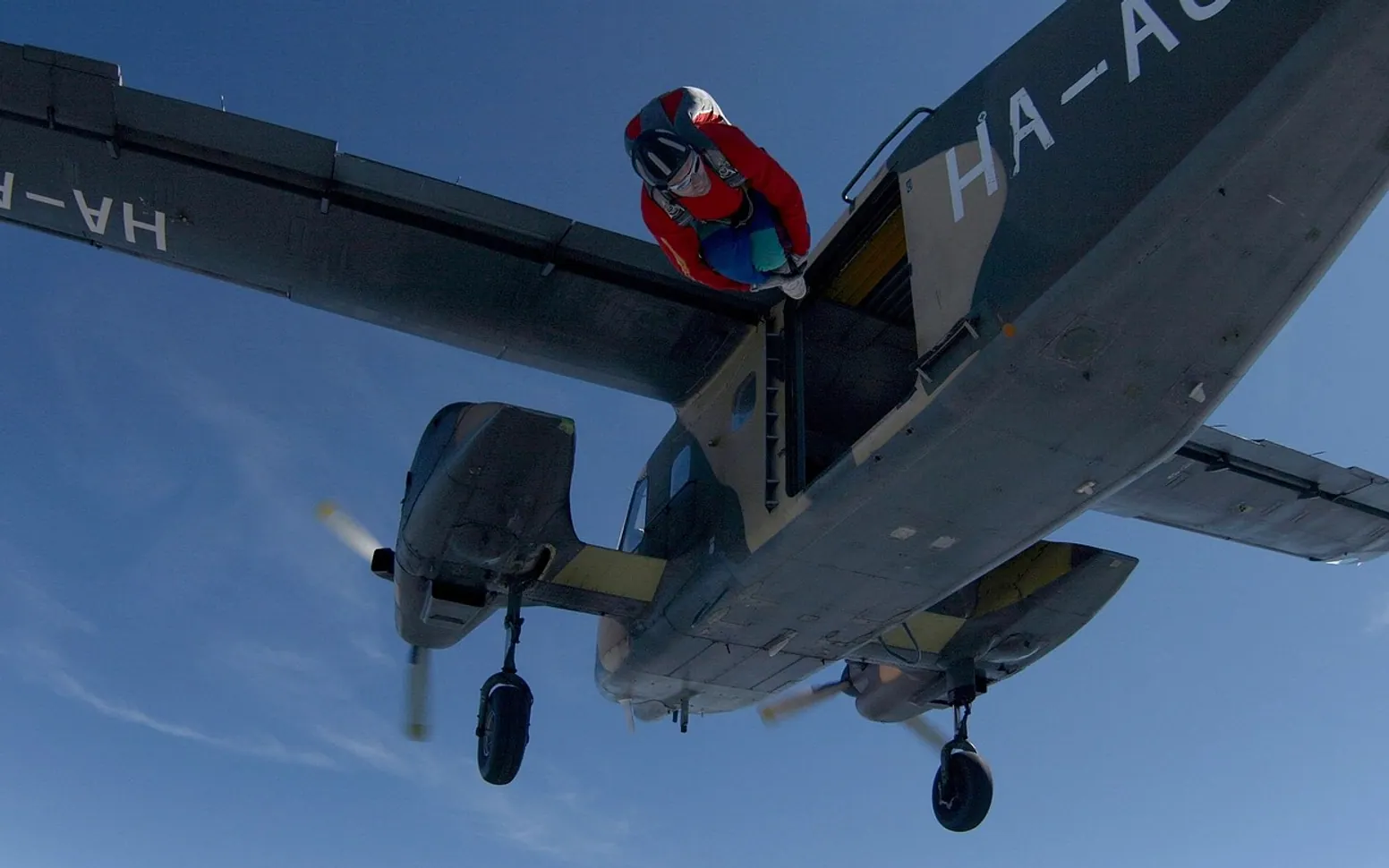
Freefall compresses time. The ground approaches fast, the view is overwhelming and the mind is busy with body position, other jumpers and the plan for the dive. In that environment, nobody can judge height reliably by eye. The altimeter is the instrument that keeps a skydiver anchored to reality, and choosing a good one is part of taking the sport seriously.
What an altimeter actually does
An altimeter measures air pressure and converts it into height above a reference point, usually the landing area, which is set before the jump. During the climb it shows progress towards exit altitude; in freefall it tells you when to break off from a group, when to wave off and when to deploy; under canopy it helps plan the landing pattern. Instructors teach students to check it constantly, because altitude awareness underpins every other safety decision.
Visual, audible and combined
Skydivers generally use more than one type:
- Visual altimeters are worn on the wrist or chest and read at a glance.
- Audible altimeters sit inside the helmet and beep at heights you set, warning you even when your eyes are busy.
- Combined digital units may add logbook functions, recording jump details for later review.
Many experienced jumpers wear a visual unit and an audible together, so a single distraction never leaves them without information.
Analog or digital?
Analog altimeters use a needle on a dial. They are simple, robust and easy to read in a hurry, since the needle's position gives an instant sense of height without reading numbers. Digital models show figures on a screen, can be very precise and often store data about freefall time and speed. Some jumpers prefer the intuitive sweep of a dial; others like the extra information of a digital display. The right choice depends on personal preference and on what your instructors recommend for your stage of training.
Choosing and caring for your instrument
When selecting an altimeter, look for clear markings, a comfortable mount, a readable display in bright sunlight and a reputation for reliability. Fit matters: it must stay in place and remain visible in your normal body position. Retailers specialising in skydiving gear in Europe carry a range of visual and audible models and can help jumpers compare designs and mounting options before they buy.
Look after the device once you have it. Zero it before every jump, check the battery on digital and audible units, protect it from knocks in your kit bag and follow the manufacturer's service guidance. If a reading ever seems wrong, have it inspected before relying on it again.
Part of a wider safety habit
An altimeter is not a substitute for training, an automatic activation device or the judgement built up jump by jump. It is one tool in a system that includes proper instruction, well-maintained equipment and a culture of checking each other's gear. Talk to your instructors or drop zone staff about which setup suits your experience, and treat altitude awareness as a skill you keep practising for as long as you jump.
Across the sections
Spotted a mistake?
A short note is enough.