342/4
Cleaner Neighborhoods, Stronger Habits: Container Service in Germany for Communities and Events
A summer street party, a sports club anniversary or a spring clean-up at the local school all end the same way: with a surprising amount of rubbish. Cardboard from the drinks delivery,…
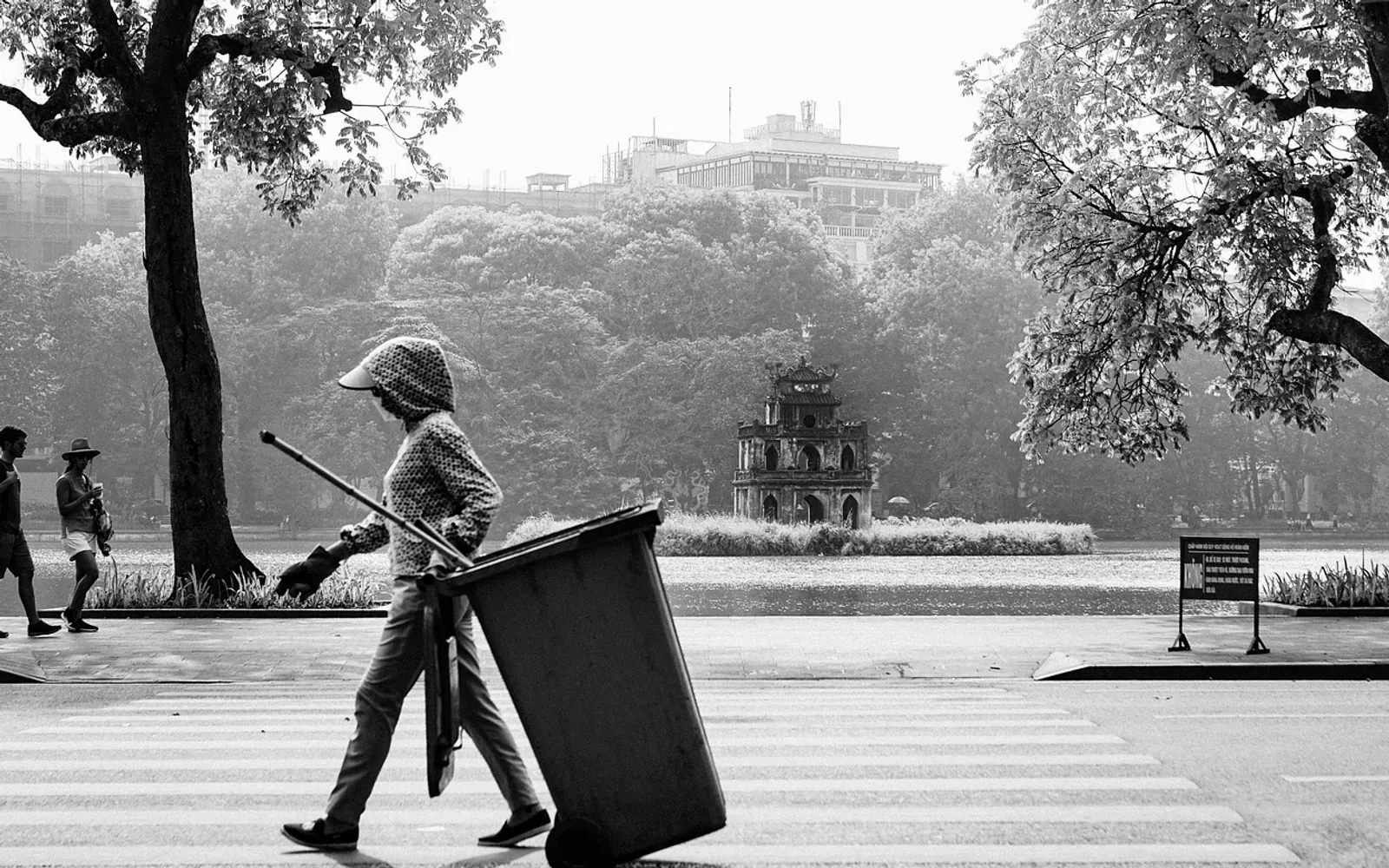
A summer street party, a sports club anniversary or a spring clean-up at the local school all end the same way: with a surprising amount of rubbish. Cardboard from the drinks delivery, food leftovers, plastic cups, branches cut back from the hedge. In Germany, where separating waste is part of daily life, communities that plan for this from the start tend to finish the day relaxed rather than buried in bags.
Why a container beats a pile of bags
Ordinary household bins fill up in minutes at a public event, and overflowing bags attract wasps, birds and bad moods. A rented container gives one clear place for each kind of waste, keeps footpaths free and makes the end of the day much shorter. It also helps an organising group show neighbours and the town that the event is being run responsibly, which makes the next permit or venue request easier.
Local providers know the area, the access routes and the rules for different waste types. For groups around the Main valley, a firm offering Containerdienst Hainburg can deliver to the right spot, suggest sizes and collect once the work is done, which takes a lot of pressure off volunteers.
Planning on paper first
- Sketch the site. Mark entrances, food stands, seating and the stage or work area.
- Follow the waste. Put containers where waste actually appears: cardboard near vendors, mixed waste near seating, green waste near the garden work.
- Check access. Delivery lorries need a firm surface and enough room to set down and lift.
- Ask about permits. A container on a public street or pavement may need approval from the municipality, so clarify this early.
- Agree on timing. Delivery before setup and pickup after the last helpers leave avoids gaps.
Helping people sort correctly
Most mistakes happen in the rush, not out of carelessness. Large, simple signs with pictures work better than long text. Showing what belongs in each container, such as flattened boxes only or no liquids, cuts down on mixed loads that may cost extra to process. Placing the right container directly behind food counters makes the correct choice the easiest one.
Volunteers benefit from a five-minute briefing before the gates open. Each person should know which containers they look after, whom to call when one is nearly full and how to handle something unusual, such as a broken glass or a dropped battery.
Good neighbours, good habits
Residents notice how an event ends. Collection times that avoid early mornings and quiet hours, a tidy area around the container and a final sweep of the street leave a positive impression. Covered containers help on windy days, and short barriers keep children away from heavy lids.
Groups that repeat an event every year can keep a short record of container sizes, fill levels and what went wrong. Over time that note becomes a reliable plan, and helpers pick up sorting habits they carry home. Cleaner streets after a celebration are a small thing, yet they make the next one easier to organise and more welcome in the neighbourhood.
Across the sections
Spotted a mistake?
A short note is enough.