311/1
The Role of Technology in Modern Texas Dentistry
For many adults, memories of the dentist involve a mouthful of impression putty, a long wait for film to develop and a vague explanation of what the dentist could see. Visits at…
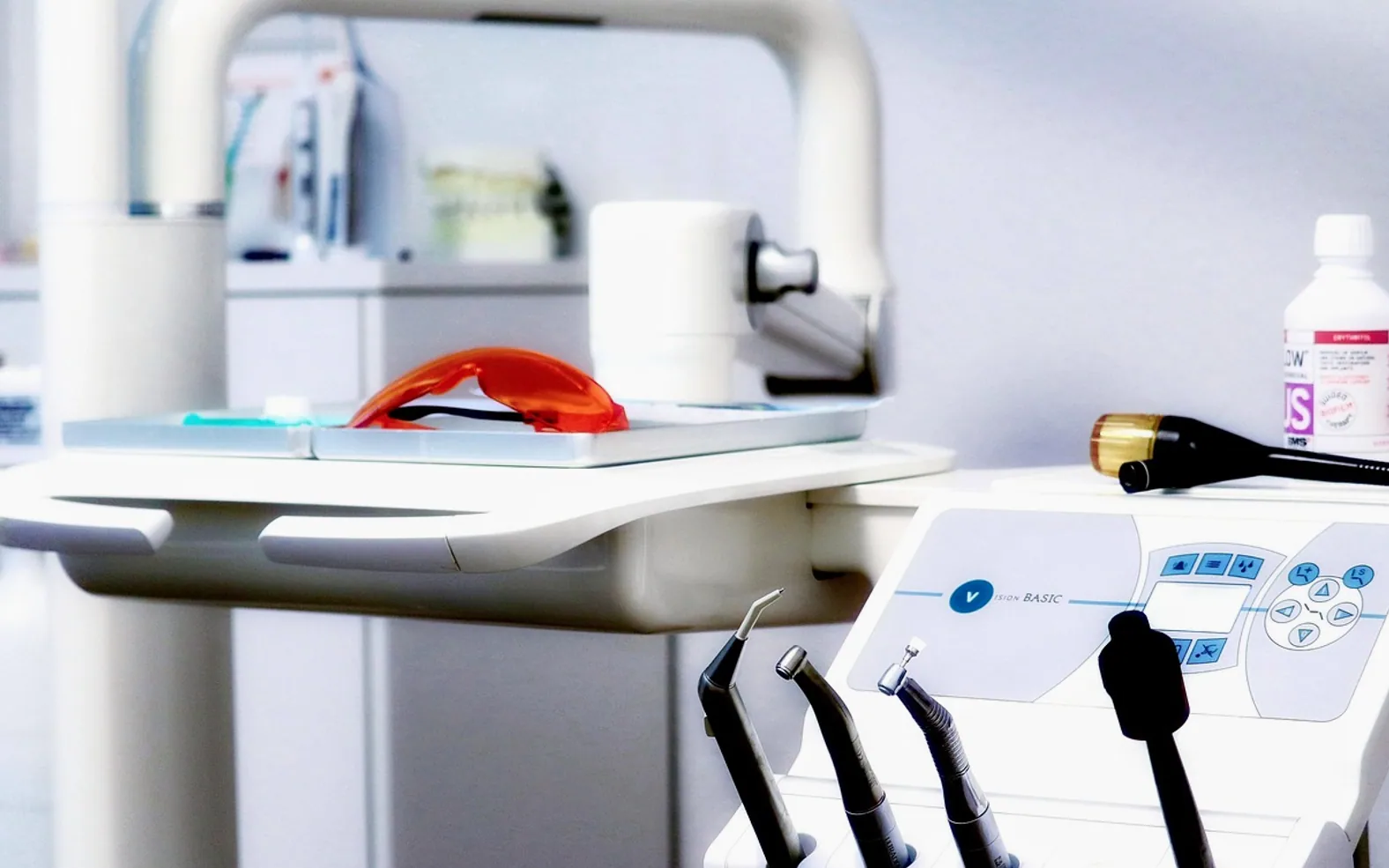
For many adults, memories of the dentist involve a mouthful of impression putty, a long wait for film to develop and a vague explanation of what the dentist could see. Visits at many practices across Texas now look quite different. Screens, scanners and digital records have become ordinary parts of the chair-side experience, and they change how patients understand and take part in their own care.
Seeing more clearly
Digital radiography has replaced film in a large number of clinics. Images appear on a monitor within moments, can be enlarged to show detail and are stored in the patient's record for comparison at the next visit. Digital systems are generally described as using less radiation than older film equipment, although the exact amount depends on the machine and the type of image taken.
Intraoral cameras add another view. These small, pen-shaped devices show the inside of the mouth on a screen, so a patient can see a cracked filling or a worn area for themselves. Many people find that seeing the problem makes the dentist's recommendation much easier to follow.
Some practices also use cone beam imaging, which produces three-dimensional pictures of teeth, bone and surrounding structures. Dentists may recommend it for planning certain procedures, such as implants, where a flat image would leave questions unanswered.
From scan to restoration
Digital scanners capture the shape of the teeth with a small wand, creating a detailed model on screen without the need for traditional impression material. That model can be used to design crowns, bridges, night guards or clear aligners. In practices with in-house milling or 3D printing, some restorations can be produced during the same visit, while others are sent to a dental laboratory.
| Step | Older approach | Digital approach |
|---|---|---|
| Taking a record of the teeth | Impression trays and putty | Optical scan shown on a screen |
| Viewing problem areas | Hand mirror and description | Intraoral camera images |
| Making a crown | Temporary crown, return visit | Sometimes milled on the same day |
| Storing records | Paper charts and film | Digital files shared securely |
Comfort and convenience
Technology also shapes the parts of a visit that happen outside the chair. Online booking, digital forms and text reminders cut down on paperwork in the waiting room. In a large state where some patients drive a long way to reach a specialist, video consultations can help with follow-up questions or an initial discussion, although they cannot replace an in-person examination.
Lasers are used in some practices for selected soft tissue procedures, and newer anaesthetic delivery systems aim to make injections feel less uncomfortable. Whether these options are suitable varies from patient to patient.
Questions worth asking
Not every practice uses every tool, and newer is not automatically better for every situation. Patients can reasonably ask which imaging their dentist recommends and why, whether a same-day restoration is an option for them and how their records are stored and protected. Anyone with concerns about radiation, anxiety or a medical condition should mention it before treatment begins, so the dentist can adjust the plan.
Technology supports good dentistry, but it does not replace the basics. Regular check-ups, daily brushing and flossing and an honest conversation with a dentist about symptoms remain the foundation of a healthy mouth.
Across the sections
Spotted a mistake?
A short note is enough.