11/14
The Dynamic World of Digital Display Boards: Top Uses and Benefits
Walk into a cinema lobby, a train station or a modern bakery and you will probably see a screen announcing something: tonight's showings, the next departure, a seasonal pastry. Digital signage has…
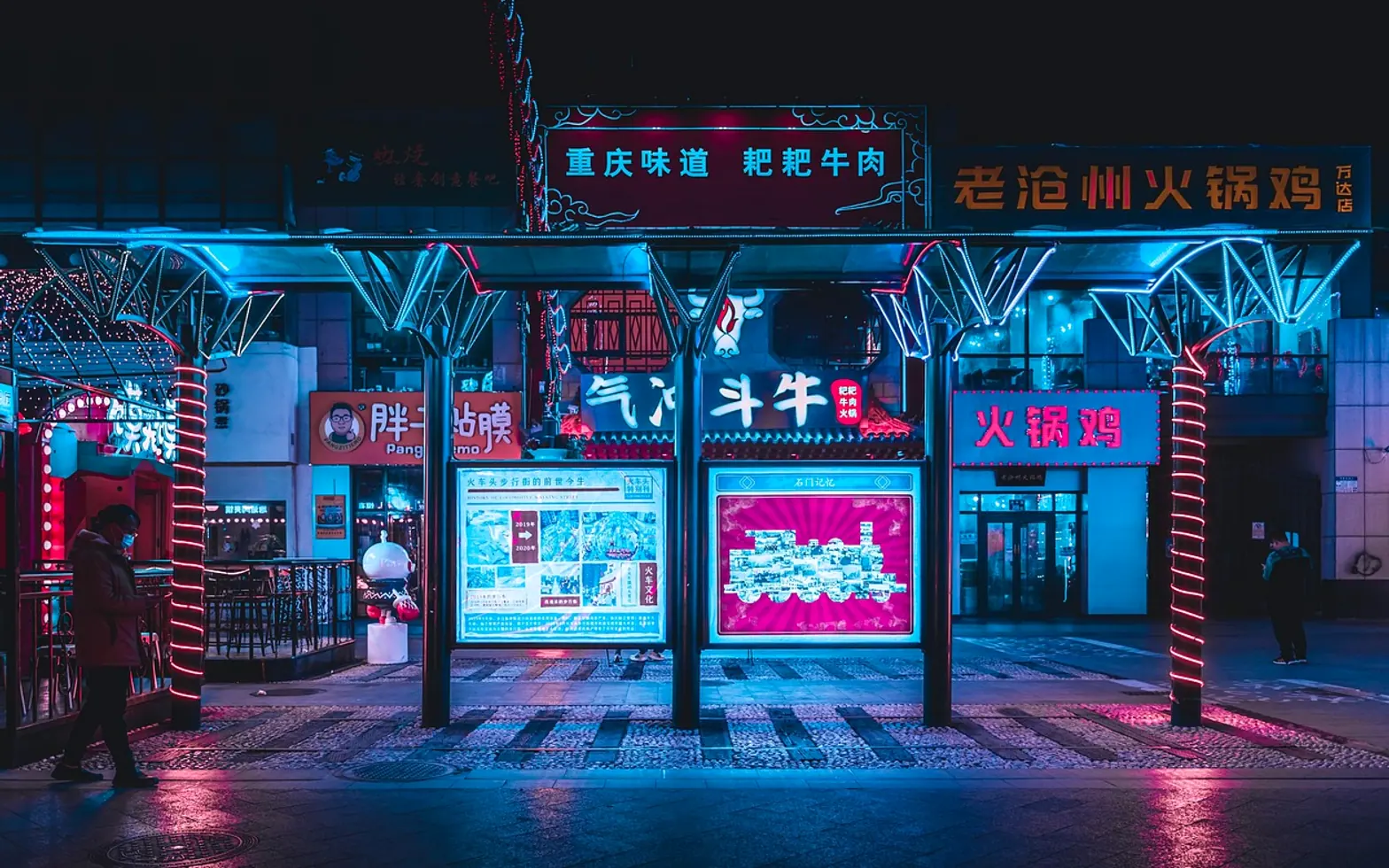
Walk into a cinema lobby, a train station or a modern bakery and you will probably see a screen announcing something: tonight's showings, the next departure, a seasonal pastry. Digital signage has slipped into everyday spaces so naturally that most people only notice it when it is done particularly well, or particularly badly.
Where screens earn their place
The strength of a digital board is that its message can change in seconds. A printed poster says one thing until someone replaces it; a screen can show a breakfast menu at eight and a dinner special at six. That flexibility suits a long list of settings.
| Setting | What the screen does |
|---|---|
| Shops and showrooms | Promotes new arrivals, sales and product videos |
| Restaurants and cafés | Displays menus that update by time of day |
| Offices | Shares news, meeting room bookings and welcome messages |
| Schools and campuses | Shows timetables, event notices and student work |
| Cinemas, theatres and venues | Lists showtimes, trailers and directions to seating |
| Transport hubs | Gives live departure details and safety information |
Entertainment value
Screens do more than inform. In leisure venues they help set the mood before the main event begins. Trailers loop in cinema foyers, sports bars show fixtures and scores, museums use moving images to bring exhibits to life and concert halls build anticipation with artist visuals. Used thoughtfully, a display becomes part of the atmosphere rather than an advert competing with it.
Practical benefits for owners
- Fast updates: content can usually be changed remotely, across one screen or many.
- Less printing: fewer posters and flyers to design, print and throw away.
- Scheduling: different messages can run at different times without anyone on site.
- Consistency: branches of the same business can share a single look and voice.
Choosing suitable hardware is the first step. A wide range of digital display boards now covers everything from compact counter-top screens to large wall-mounted units, so businesses and venues can match size, brightness and mounting style to the space they have rather than squeezing a one-size solution into it.
Content that people actually read
A bright screen with too much text is easy to ignore. The best signage keeps each slide to a single idea, uses large type and leaves enough time for someone to read it while walking past. Strong contrast helps in sunny windows, and short motion clips draw the eye better than a dense block of words.
It also helps to think about who is looking. Queueing customers have time for a longer message; people rushing through a corridor need a single line. Rotating content regularly keeps regular visitors from tuning it out.
Looking ahead
Displays are becoming thinner, more energy-efficient and easier to manage from a phone or laptop. Touch screens add interactive maps and menus, while simple integrations can pull in weather, transport or social updates automatically. For shops, schools and entertainment venues alike, a well-placed screen has become one of the most adaptable ways to communicate with the people walking through the door.
Across the sections
Spotted a mistake?
A short note is enough.