
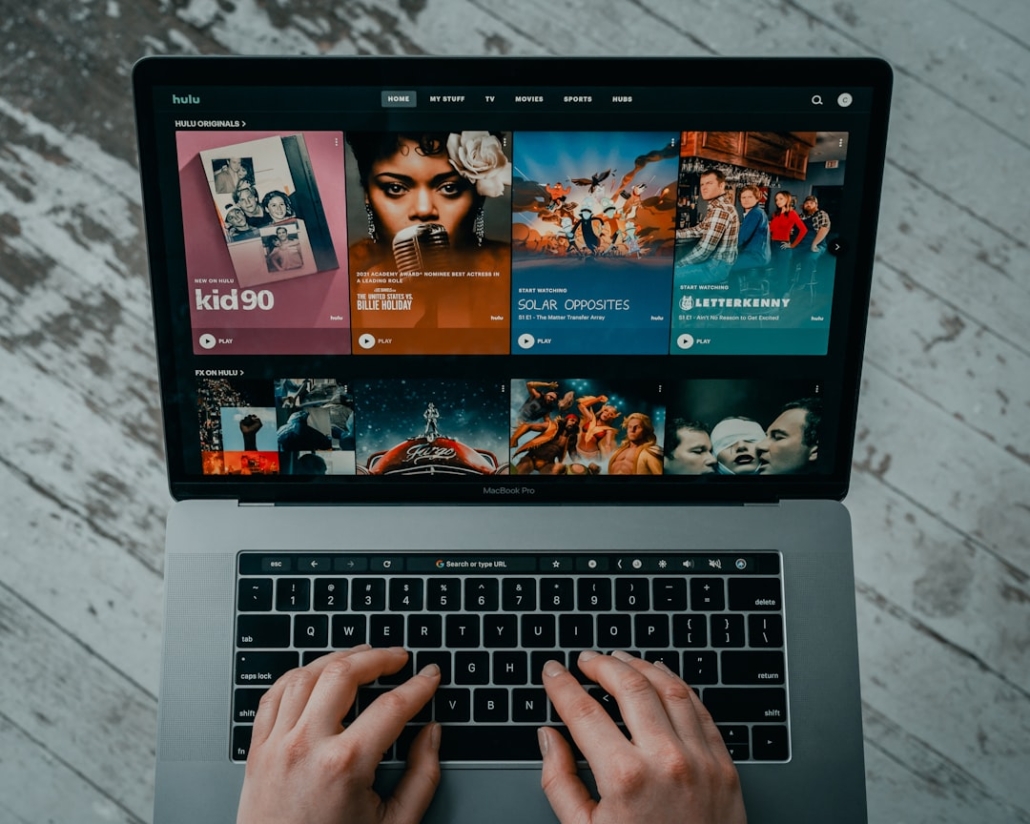
IPTV vs Traditional TV: The Evolution of Entertainment
The way people watch television has changed dramatically over the past two decades. What was once a fixed, schedule-driven experience built around cable boxes, satellite dishes, and broadcast signals has evolved into a flexible digital ecosystem shaped by internet connectivity, smart devices, and on-demand viewing. In the debate around IPTV vs traditional TV, the real story is not simply about which one is newer. It is about how consumer expectations have shifted. Audiences now want more control, better value, broader content libraries, and the freedom to watch what they want, when they want it. Understanding the differences between IPTV and traditional TV helps explain why the entertainment industry continues to move toward internet-based delivery.
What Is the Difference Between IPTV and Traditional TV?
Traditional TV relies on older distribution systems such as terrestrial broadcasting, cable infrastructure, or satellite transmission. Viewers typically subscribe to channel packages and watch programming based on a fixed schedule, even if digital recorders and catch-up services have added some flexibility over time. The model is familiar, stable, and still widely used, especially in households that prefer simplicity.
IPTV, or Internet Protocol Television, delivers television content over an internet connection rather than through conventional broadcast methods. Instead of receiving channels through a dish or cable line in the traditional sense, users stream live TV, movies, series, and other media directly through broadband networks. This digital approach has made IPTV especially appealing to viewers who prioritize convenience, personalization, and multi-device access. Providers such as IPTV Nordic reflect the growing demand for modern television services that fit current viewing habits.
At its core, the comparison comes down to delivery method and user experience. Traditional TV is linear and provider-controlled. IPTV is internet-based and often more user-driven. As internet speeds improve globally, IPTV has become less of a niche alternative and more of a mainstream entertainment solution.
Why IPTV Matches Modern Viewing Habits
One of the biggest reasons IPTV has gained momentum is that it aligns with how audiences consume content today. People are no longer satisfied with building their evenings around programming schedules. They expect entertainment to be available instantly across smartphones, tablets, smart TVs, laptops, and streaming devices. IPTV supports that expectation by making content accessible wherever there is a stable internet connection.
Modern viewers also value personalization. IPTV platforms often offer features that feel natural in the digital age, such as video on demand, time-shifted viewing, pause and rewind options, curated recommendations, and access to international programming. Traditional TV can still deliver live events effectively, but it usually offers less flexibility and fewer customization options.
- On-demand access: Users can watch films, sports, and series without waiting for scheduled broadcasts.
- Device compatibility: IPTV works across multiple screens, making entertainment more portable.
- Content variety: Many IPTV services provide broader regional and international choices.
- User control: Viewers can often manage their experience with greater precision.
These advantages matter because entertainment is no longer limited to the living room. Families may watch different programs at the same time on different devices, and younger audiences in particular are accustomed to seamless transitions between platforms. IPTV supports this fragmented yet connected media lifestyle far better than many traditional TV models.
Cost, Convenience, and Content Flexibility
Cost is another major factor in the IPTV vs traditional TV discussion. Traditional cable and satellite packages have often been criticized for bundling channels that viewers rarely watch. Monthly bills can rise quickly once premium channels, sports packages, equipment rental, and installation fees are included. While pricing varies by market and provider, consumers increasingly want services that feel more efficient and tailored to their actual preferences.
IPTV can present a more flexible value proposition. Because it is internet-based, it often reduces the need for proprietary hardware and lengthy installation processes. In many cases, users can get started with an app, login credentials, and a compatible device. That simplicity has helped IPTV appeal to both tech-savvy users and households looking for a more streamlined setup.
Content flexibility is equally important. Traditional TV remains strong in live broadcasting, especially for news and sports, but IPTV continues to narrow that gap while offering deeper libraries of entertainment content. For consumers, this means a more balanced experience that combines live channels with on-demand convenience. The result is a viewing environment that feels more adaptable and responsive to individual habits.
- Traditional TV works well for users who prefer familiar channel structures and minimal setup changes.
- IPTV is often better suited to viewers who want flexibility, mobility, and a broader digital content experience.
- Hybrid households are increasingly common, but the long-term trend favors internet-based delivery.
As providers compete for attention, convenience is becoming just as important as content itself. The easier a service is to use, the more likely consumers are to adopt it and stay loyal.
The Future of Television Is Internet-Driven
The broader evolution of entertainment suggests that IPTV is not simply a temporary trend. It reflects a deeper transformation in media distribution, where internet infrastructure now sits at the center of how content is created, delivered, and consumed. Streaming culture has changed expectations permanently. Viewers want instant access, fewer restrictions, and the ability to move smoothly between live and on-demand experiences.
Traditional TV will not disappear overnight. It still serves important audiences and remains effective in regions or households where internet quality is inconsistent or where established viewing habits remain strong. However, its dominance has clearly weakened. As smart home technology expands and broadband access improves, internet television will continue to gain ground.
We are also seeing the rise of smarter interfaces, AI-driven recommendations, and increasingly integrated media ecosystems. IPTV is well positioned to benefit from these developments because it is built on digital foundations. That makes it more adaptable than legacy systems when new consumer demands emerge. In practical terms, the future of television will likely be more interactive, more personalized, and less tied to rigid programming schedules.
When comparing IPTV vs traditional TV, the answer depends on what viewers value most. Traditional TV still offers familiarity and dependable access to scheduled programming, but IPTV better reflects the way modern audiences want to consume entertainment. Its combination of flexibility, multi-device support, personalized viewing, and scalable content access represents the next stage in television’s evolution. As consumer behavior continues to favor convenience and control, IPTV is becoming not just an alternative to traditional TV, but a defining model for the future of home entertainment.

